
Introduction
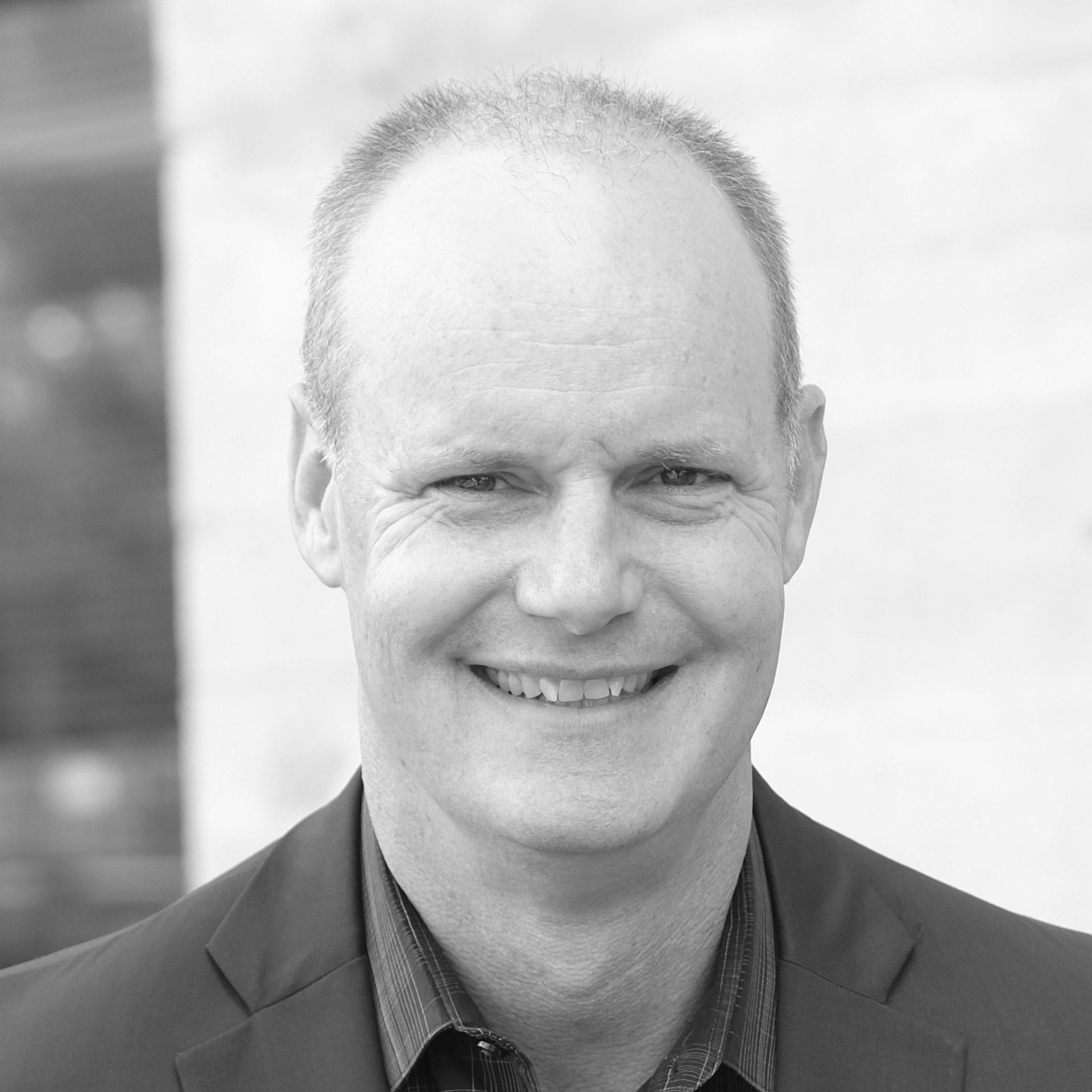
Rob Crane, owner and founder of C Design, joins Jack Ossa on The Power of Design Podcast to talk about the business of design, growing a team and leaving a secure job to start an architecture firm. C Design is an award-winning practice in Charlotte, North Carolina, and Rob has led it for about 15 years.
Jack met Rob when he was referred to help the firm clarify its brand and develop a new website. In this conversation they cover Rob's path from an Iowa State fundraising call room to the Charlotte office of a large firm, and then to a firm of his own.
About the Episode
Rob grew up in several places, from West Virginia and Maryland to New York, Indiana and Iowa, and became interested in architecture as a boy in Columbus, Indiana. He describes how a phone call during his student job at Iowa State led to a $500 donation to the university and a job interview with a Charlotte architect, and how he chose Odell after touring offices on spring break.
At Odell he worked on a hospital project in New Orleans, airport terminal design work and a number of small local projects, and he says he learned a great deal from people who were willing to teach. At 32, newly an associate, he decided to try his own firm. His father, recently retired from a senior role at Cummins, agreed to act as his accountant. His first projects were an airport maintenance facility renovation, a natural gas operations center and small jobs for a university.
Today C Design has 23 people, including 10 or 12 licensed architects and a four-person workplace group. Rob explains why he treats people as the firm's main asset, how a strategic plan guides hiring, and why the firm acted bigger than it was long before it grew into it.
Key Takeaways
- Start with people: Rob says the most important lesson of 15 years is to inspire people, treat everyone with respect and remember that you can learn something from everyone.
- Own the whole business: he left to build something from nothing, not only to design, and wanted to handle accounting, marketing, design and production.
- Organize early: an employee manual and an organizational chart existed when the firm had three or four people, so it never had to catch up with its own growth.
- Let objectives drive decisions: four to five strategic objectives, reviewed twice a year, shape every hire and decision.
- Growth is the hard part: Rob says managing growth is harder than downsizing, and that it is a main challenge for his clients in Charlotte.
- Technology blurs roles: faster communication and integrated delivery are changing contracts and responsibilities between architect, contractor and owner.
- Culture is shared: a team that enjoys each other and shares one goal can have hard discussions without conflict.
Highlights from the Conversation
I think the most important thing is to inspire people and try to treat everybody with respect and also know that you can learn something from everyone.
Rob Crane
We started acting like we were a larger firm before we ever became that.
Rob Crane
I love projects that just impact people.
Rob Crane
Topics Discussed
- Starting an architecture firm after years at a large practice
- First projects and building a portfolio
- Strategic planning and organizing a firm to scale
- Hiring, training and keeping good people
- Client challenges: recruitment, retention and growth
- Design-build, integrated delivery and technology
- Team culture and resolving disagreements
- Public projects such as airports and venues, and nonprofit work
Why This Conversation Matters
Rob's story is practical for architects and design professionals who want to run a firm rather than only design for one. It shows how clear objectives, early structure and a strong team support growth, and why a firm's identity matters as it scales. The same thinking applies to our architecture and branding work, from the identity we developed for MSW Engineers to the workplace design of the BWM Office.
About the Guest
Rob Crane is the owner and founder of C Design, an award-winning architecture firm in Charlotte, North Carolina, with practice areas in architecture, planning and interior design. A graduate of Iowa State University, he began his career at Odell and started C Design when he was 32. The firm designs projects from about half a million to more than 150 million dollars in construction, and its renovated office won an IIDA Carolinas chapter award for small office design. Visit C Design's website.